
Feminist therapy for queer and neurodivergent adults
Something feels off, and you cannot quite name why.
Maybe you have spent years trying harder and getting more tired, not less. Maybe the relationships that should feel steady have started to feel misaligned, with nothing obviously wrong. Maybe you have begun to wonder about your neurotype, or your queerness, or both, and a lot of your life is starting to read differently in that light.
A lot of the people I work with arrive here wanting more for themselves, without the words, or the room, to work out what.
The work itself
This is not about handing you more coping skills, or tracking your symptoms week to week. It is long-term, relational depth therapy. The slower work of understanding who you actually are, how you came to be that way, and what gets in the way of living from there.
We pay attention to the patterns you were taught. The ones that once kept things stable and now cost more than they give. We make sense of them together, in context, without treating you as a problem to be fixed.
A space that stays yours
When you begin ongoing work with me, a regular time becomes yours. The same day, the same time, held for you. You do not rebook week to week, and you are not competing for a slot each time you need one.
Depth work needs that kind of consistency. A dependable space you can settle into, return to, and count on, rather than starting over each time. The reserved-space model also builds in a set number of free cancellations a year, no reason needed, so a week you cannot make does not cost you your place.
When understanding yourself hasn't been enough
Maybe you understand yourself well. You have done the reading, listened to the podcasts, traced where it all started, and you can name your patterns more clearly than most. You understand yourself in detail and still feel stuck in the same place. If that is you, it is something I see often, and I have written more about why self-awareness on its own isn’t enough, in this piece.
Maybe understanding was never really your struggle. Feeling is. Emotions arrive fast and large, more than you can carry on your own, and they do not settle just because you can see where they came from. It is not a flaw in how much you feel. It is what happens when strong feelings have never had a steady place to land. What you have needed is not another insight. It is a base steady enough to hold on to while the feeling moves through, so you are not doing it alone.
Whether you have understood things inside out or felt more than you could hold, what you have not had is the conditions for the part that comes after. Change is not something you think your way into, or feel your way through alone. It happens slowly, in relationship, through returning to the same work often enough that it starts to shift.
That is why this work is weekly. When sessions are further apart, the thread drops. You arrive with a fresh, clear analysis, and the hour becomes another round of understanding rather than the place where things move. The sense of safety the work depends on has to be rebuilt each time, rather than deepening. Meeting weekly is what keeps the process moving forward. For a lot of us, that kind of consistency is what makes anything hold.
It also means a gentler kind of accountability than the one you already run on yourself. Not the harsh internal voice, but someone alongside you, holding the direction with you and bringing us back to the work when it drifts. The accountability here is to the work we are doing together, never to whether you managed your week.
If what you are after is the occasional session to talk things through, I am probably not the right fit, and that is completely okay. This is for you if you are ready for something steadier, and are tired of staying in the same place.
What we might explore
People come to this work carrying different things. Some of what we explore together.
Burnout, and the particular exhaustion of trying harder and getting worse results
Late-discovery ADHD and autism, and building affirming ways of living rather than masking
Sensory differences, and the way your body takes in the world
Self-criticism, perfectionism, and a sense of being too much or not enough
Relationships that feel strained when nothing obviously bad has happened
Difficulty naming what you need, over-responsibility, and people-pleasing
Queerness and sexual identity, including the parts that have stayed invisible
Non-monogamy and relationships that sit outside the usual script
The impact of traumatic experiences, including oppression and minority stress
How I work
I work integratively, which means we choose the approaches that fit you rather than running you through a fixed method. Depending on what we are working with, that might draw on compassion-focused, attachment-oriented, somatic, or parts-based work, as well as clinical hypnotherapy.
Underneath all of it is a commitment to feminist and anti-oppressive practice. Non-pathologising, person-centred, and informed by social justice. I pay attention to how gender and power shape what you carry, including the power between us, and I work to share it rather than hold it over you. I am not interested in making you more manageable. I am interested in helping you understand yourself, build self-compassion where there has been a harsh inner critic, and reclaim some authority over your own life.
Systems focused
We are shaped by the systems that surround us, including our families, workplaces, healthcare and culture. For some people these systems are supportive. For many of the people I work with, they have been a poor fit at best, and dehumanising at worst.
Unfortunately, we tend to internalise these experiences. Their judgements become an inner sense of being wrong, or too much, or in need of fixing. Naming where that came from, and recognising it as something done to you rather than something true about you, can be a relief in itself.
Because these systems shape so much, I also offer advocacy support alongside therapy, so you have someone in your corner when you are dealing with them. You do not have to face them alone.
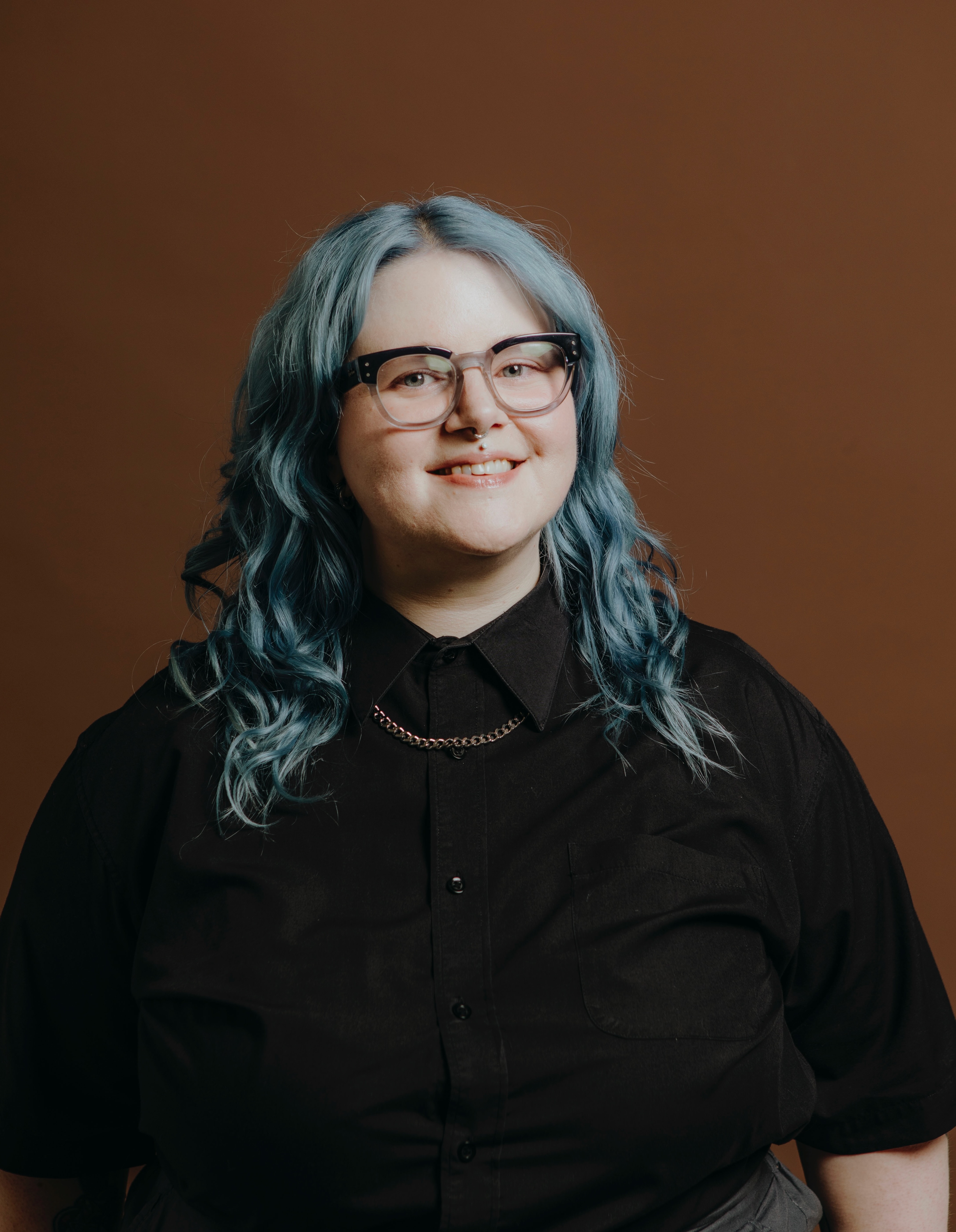
Marlee (she/they)
A bit about me
I am a queer, AuDHD, feminist therapist, and I have experienced what the right therapy can do, so I know how much finding the fit matters. I am direct, warm, and equally at home sitting with the hard stuff and hearing about your passions and special interests. If you have ever been told you are too much, or too sensitive, we will probably get along.
Working together
Sessions are online or by phone, across Australia. You can read how online therapy works, and why I have chosen it, on the FAQ page.
Because the relationship is the foundation of this work, I offer a free 20-minute call before we begin, so you can get a sense of whether I am the right fit for you. There is no pressure to continue.
I currently have a small number of ongoing spaces open. You can find current availability and the four-tier sliding scale on the Availability and Fees pages.
You deserve a therapist who speaks your language and is not trying to fix who you are. If this feels like it fits, get in touch.
Please note: this counselling service is for adults aged 18 and over.